Exploring the Role of Efficient Transportation Systems in Enhancing Accessibility to Healthcare Services
Access to healthcare is a fundamental need for communities, yet many individuals face challenges in reaching medical facilities. Efficient transportation systems play a pivotal role in bridging this gap, ensuring that healthcare services are within reach for everyone, particularly in underserved or remote areas.
The Importance of Transportation in Healthcare Access
Transportation barriers can significantly impact an individual’s ability to receive timely medical care. For those without reliable transportation, missed appointments and delayed treatments are common, potentially leading to worsened health outcomes. By improving transportation infrastructure, we can enhance healthcare accessibility for all.
Impact on Underserved Communities
In rural and low-income urban areas, public transportation systems are often limited or nonexistent. These communities frequently experience higher rates of chronic illnesses and lower healthcare utilization. Efficient transportation can alleviate some of these disparities by providing reliable means to access necessary medical services.
Role in Emergency Medical Services
Efficient transportation systems are crucial for emergency medical services (EMS). Quick and reliable transport can be the difference between life and death during emergencies. Enhancing road networks and traffic management systems can improve EMS response times, ultimately saving lives.
Innovative Solutions for Improved Healthcare Access
Several innovative solutions are being implemented to improve transportation for healthcare access. These include:
- Telehealth Services: While not a direct transportation solution, telehealth reduces the need for physical travel, offering remote consultations that are particularly beneficial for those in isolated areas.
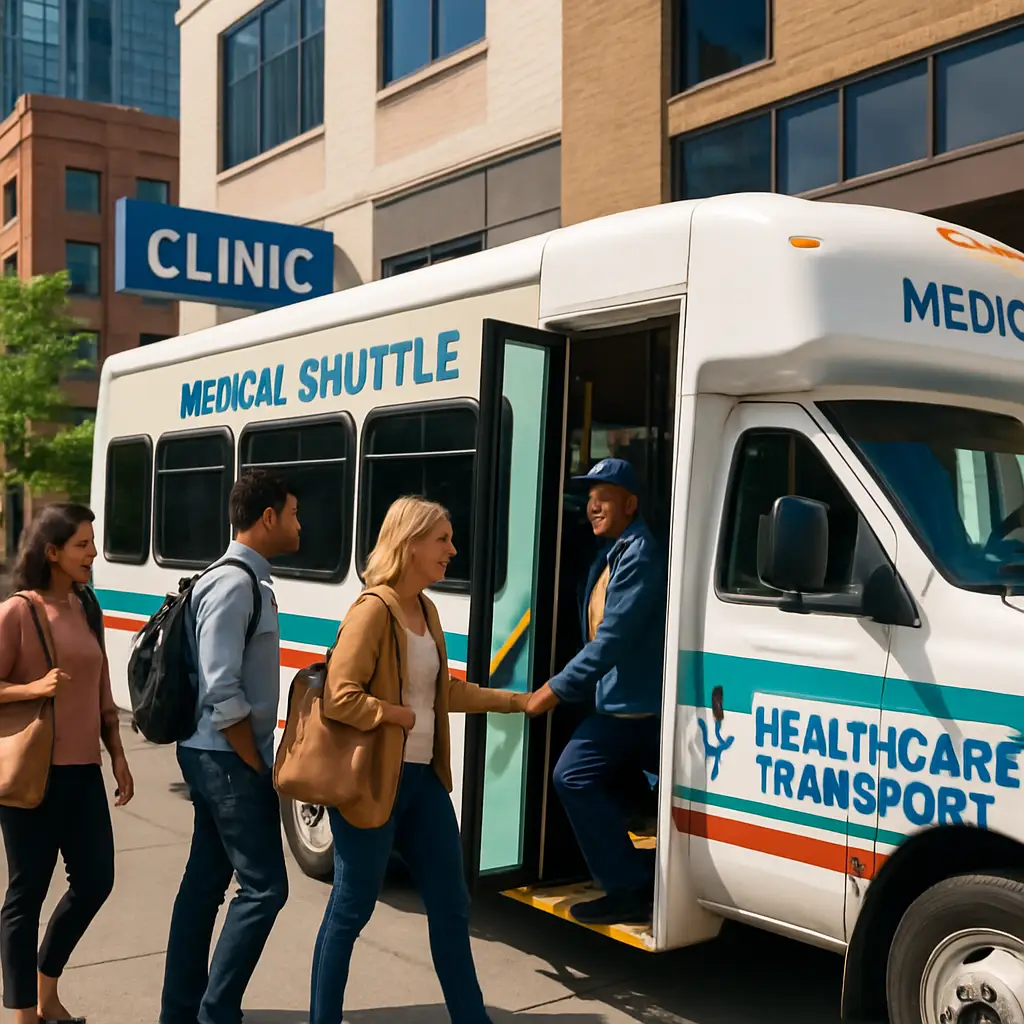
- Non-Emergency Medical Transportation (NEMT): Programs that provide transportation for routine medical appointments can reduce missed healthcare visits and improve patient outcomes.
- Ride-Sharing Partnerships: Collaborations between healthcare providers and ride-sharing services can offer patients flexible and affordable transport options.
Case Study: Successful Implementation
In Jacksonville, Florida, the development of integrated transport systems has improved access to healthcare facilities significantly. By linking bus routes directly to hospitals and clinics, patients have experienced reduced travel times and increased appointment adherence.
Future Directions and Opportunities
Looking forward, there are numerous opportunities to further integrate transportation and healthcare systems. The use of technology, such as GPS tracking and mobile apps, can enhance the efficiency of transport services and improve patient planning and logistics. Moreover, policies that prioritize funding for transportation infrastructure in healthcare planning can drive systemic changes benefiting community health outcomes.
Engaging Stakeholders
To create lasting change, collaboration among government agencies, healthcare providers, and community organizations is essential. By working together, these stakeholders can develop comprehensive strategies that address transportation barriers and improve healthcare access for all.
Conclusion
Transportation systems are a critical component of healthcare access. By investing in efficient and innovative transportation solutions, we can ensure that healthcare services are accessible to everyone, regardless of their location or economic status. Enhancing transportation infrastructure not only facilitates better health outcomes but also fosters healthier communities overall.
For more information on improving healthcare access and services, visit our services page or learn how to get started with AQualiT Health by visiting our get started page.