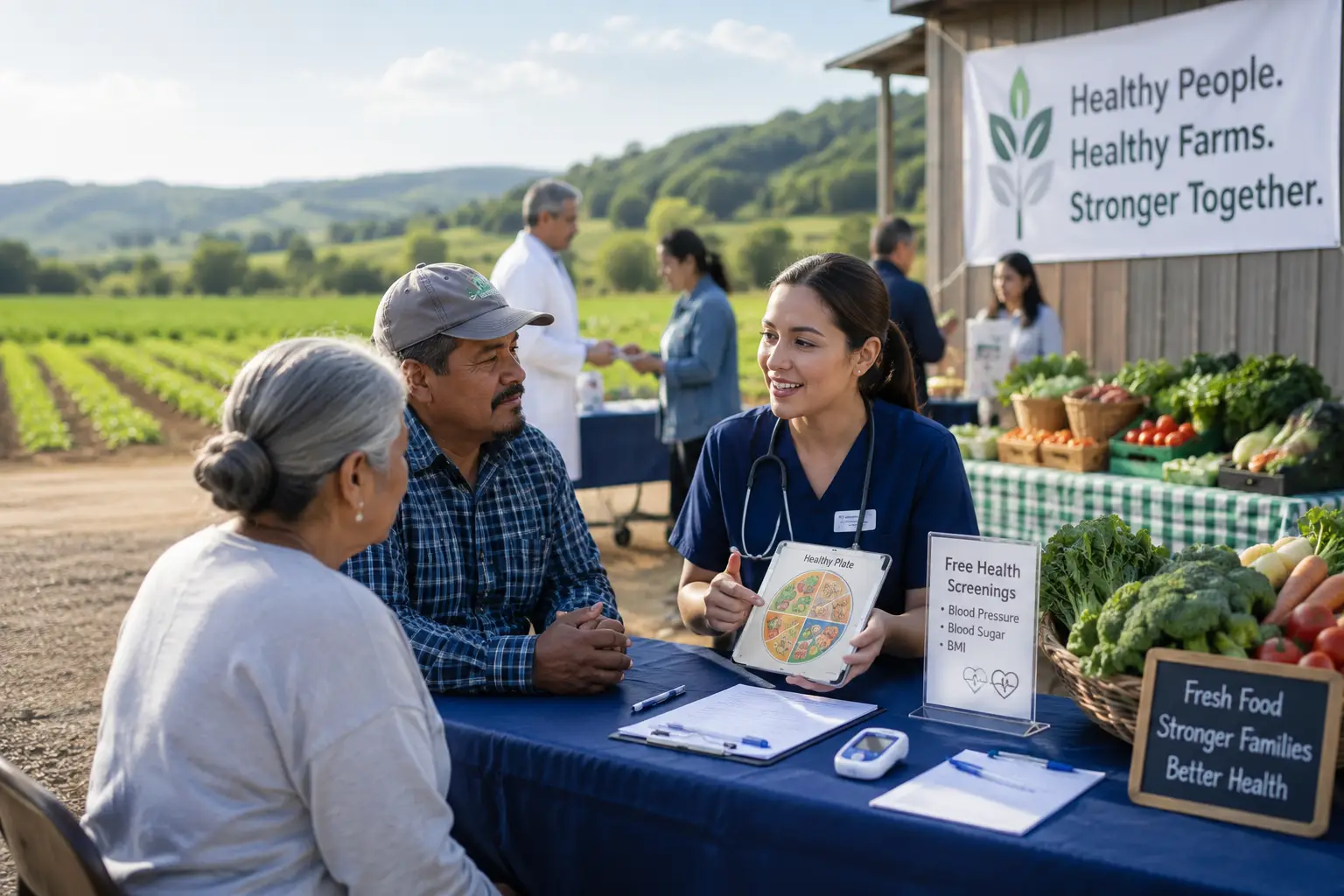
Bridging Healthcare and Agriculture: Collaborative Approaches to Boost Community Health and Local Economies
Community health and economic vitality are intricately linked, with both sectors benefiting from innovative partnerships between healthcare providers and agricultural enterprises. By exploring collaborative approaches, communities can improve health outcomes while supporting local economies. This synergy is particularly critical as communities seek sustainable solutions to modern challenges.
The Intersection of Healthcare and Agriculture
Healthcare and agriculture, though seemingly disparate, share a common goal: enhancing the well-being of individuals and communities. By fostering partnerships, these sectors can address issues such as food insecurity, chronic disease management, and economic development. Collaborative efforts can lead to improved access to nutritious foods, enhanced support for local farmers, and innovative wellness programs.
Innovative Collaborative Models
Farm-to-Clinic Initiatives
Farm-to-clinic initiatives focus on integrating local produce into healthcare settings. By partnering with local farms, clinics can offer fresh, locally-sourced foods to patients, promoting healthy eating habits and supporting local agriculture. This model not only enhances patient nutrition but also strengthens the local economy.
Community-Supported Agriculture (CSA) Programs
Incorporating CSA programs within healthcare frameworks provides patients with regular access to fresh produce. Healthcare providers can subsidize CSA shares for low-income patients, ensuring that healthy food is accessible to all. This approach encourages preventative health measures and supports local farmers by providing a stable market for their products.
Educational Workshops and Wellness Programs
Collaboration between healthcare providers and agricultural experts can lead to educational workshops focused on nutrition and healthy living. These programs offer community members valuable insights into how dietary choices impact health and how to incorporate local foods into their diets. Such initiatives can also include cooking demonstrations and gardening classes, providing hands-on learning experiences.
Benefits of Healthcare and Agriculture Partnerships
The benefits of forging partnerships between healthcare and agriculture are manifold, including:
- Improved Health Outcomes: Access to fresh, nutritious foods contributes to better overall health, reducing the prevalence of diet-related diseases.
- Economic Growth: Supporting local agriculture stimulates economic activity, creating jobs and strengthening community resilience.
- Environmental Sustainability: Encouraging local food production reduces carbon footprints associated with food transportation.
- Social Cohesion: Collaborative initiatives foster a sense of community, bringing individuals together with a shared purpose.
Implementing Effective Partnerships
To establish successful collaborations, stakeholders should focus on the following strategies:
- Engage Key Stakeholders: Involve healthcare providers, local farmers, government agencies, and community organizations in the planning process.
- Identify Shared Goals: Clearly define the objectives of the partnership, ensuring alignment between healthcare and agricultural priorities.
- Secure Funding and Resources: Explore grant opportunities and public-private partnerships to support program development and sustainability.
- Measure Impact: Implement evaluation metrics to assess the effectiveness of initiatives and make data-driven adjustments as needed.
Conclusion
Collaborative approaches that unite healthcare and agriculture have the potential to transform community health and stimulate local economies. By embracing these partnerships, communities can create a healthier, more resilient future for all residents. Through shared goals and innovative models, the synergy between healthcare and agriculture can lead to sustainable progress and enhanced quality of life.