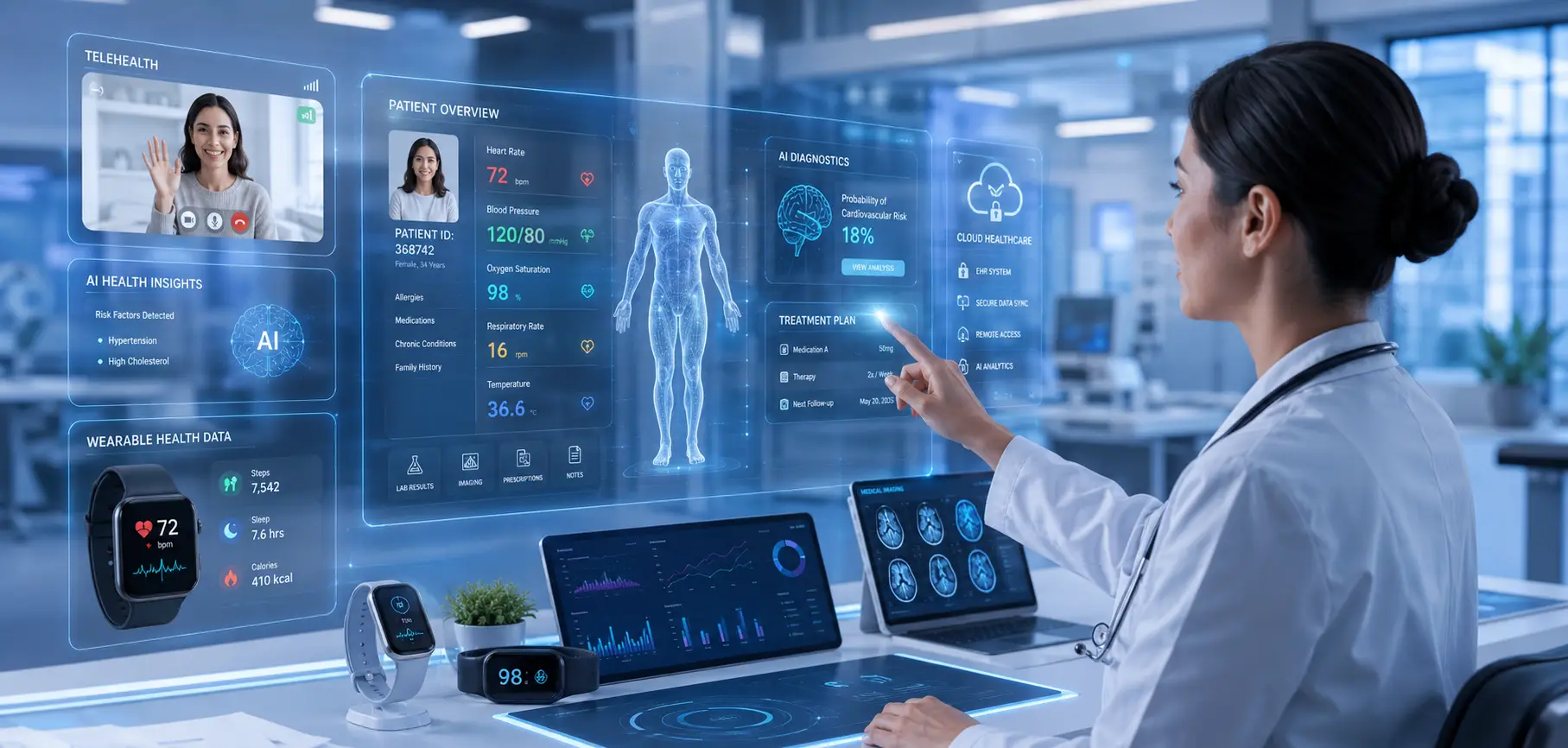
Exploring Innovations in Industry Technology and Their Impact on Healthcare Services
The healthcare industry is undergoing a remarkable transformation, driven by cutting-edge technological innovations. These advancements are not only revolutionizing patient care but also enhancing operational efficiency and improving overall healthcare delivery. In this article, we explore some of the most impactful technological innovations in healthcare and their implications for providers and patients alike.
The Rise of Telehealth
Telehealth has emerged as a vital tool in expanding access to healthcare services, particularly in remote or underserved areas. By leveraging communication technologies, healthcare providers can offer consultations, monitor patients, and deliver services without the need for in-person visits. This innovation reduces travel time for patients, increases convenience, and allows providers to reach a broader patient base.
Benefits of Telehealth
- Improved access to care for patients in rural or remote locations
- Reduced pressure on healthcare facilities and resources
- Enhanced patient engagement through digital health tools
Telehealth is not only cost-effective but also ensures continuity of care, which is crucial during times of crisis, such as the COVID-19 pandemic.
Artificial Intelligence in Diagnosis and Treatment
Artificial intelligence (AI) is transforming the healthcare landscape by enabling more accurate and efficient diagnosis and treatment. AI algorithms can analyze vast amounts of medical data to identify patterns and predict outcomes, thus assisting healthcare professionals in making informed decisions.
Applications of AI in Healthcare
- Automated image analysis for radiology and pathology
- Predictive analytics for patient risk stratification
- Personalized treatment plans based on genetic data
AI’s ability to process and interpret complex datasets quickly is crucial in advancing precision medicine and improving patient outcomes.
Wearable Technology and Remote Monitoring
Wearable technology, such as smartwatches and fitness trackers, is playing a significant role in healthcare by enabling continuous monitoring of patient health metrics. These devices can track vital signs, physical activity, and even sleep patterns, providing valuable data for both patients and healthcare providers.
Impact of Wearable Devices
- Empower patients to take charge of their health through real-time data
- Facilitate early detection of potential health issues
- Support chronic disease management with continuous monitoring
By integrating wearable technology with healthcare services, providers can deliver more personalized and proactive care.
Blockchain for Data Security
Blockchain technology is being explored as a solution for enhancing data security and privacy in healthcare. By providing a decentralized and tamper-proof ledger, blockchain can ensure the integrity of patient records and facilitate secure data sharing among authorized parties.
Advantages of Blockchain in Healthcare
- Enhanced data security and privacy for patients
- Streamlined data sharing and interoperability
- Reduced administrative costs through automation
This technology holds the potential to address many of the current challenges in healthcare data management, ensuring trust and transparency in the system.
Conclusion
The integration of these innovative technologies is reshaping the healthcare industry, making it more patient-centric, efficient, and responsive. As technology continues to evolve, healthcare providers must stay informed and adaptable to leverage these tools effectively for improved patient care and operational excellence.
For healthcare providers and patients alike, embracing these technological advancements is essential for navigating the future of healthcare. By staying at the forefront of innovation, the industry can continue to enhance service delivery and patient outcomes.