The Importance of Infrastructure Modernization in Enhancing Accessibility and Efficiency in Healthcare Facilities
In today’s rapidly evolving healthcare environment, infrastructure modernization is pivotal in ensuring accessibility and efficiency within healthcare facilities. As patient needs grow and technology advances, healthcare providers must adapt their infrastructure to optimize service delivery and improve patient outcomes.
Enhancing Accessibility through Modern Infrastructure
Modernizing healthcare infrastructure is crucial in making healthcare services more accessible to patients. With advancements in technology, healthcare facilities can offer more inclusive environments that cater to diverse patient needs.
Telehealth Implementation
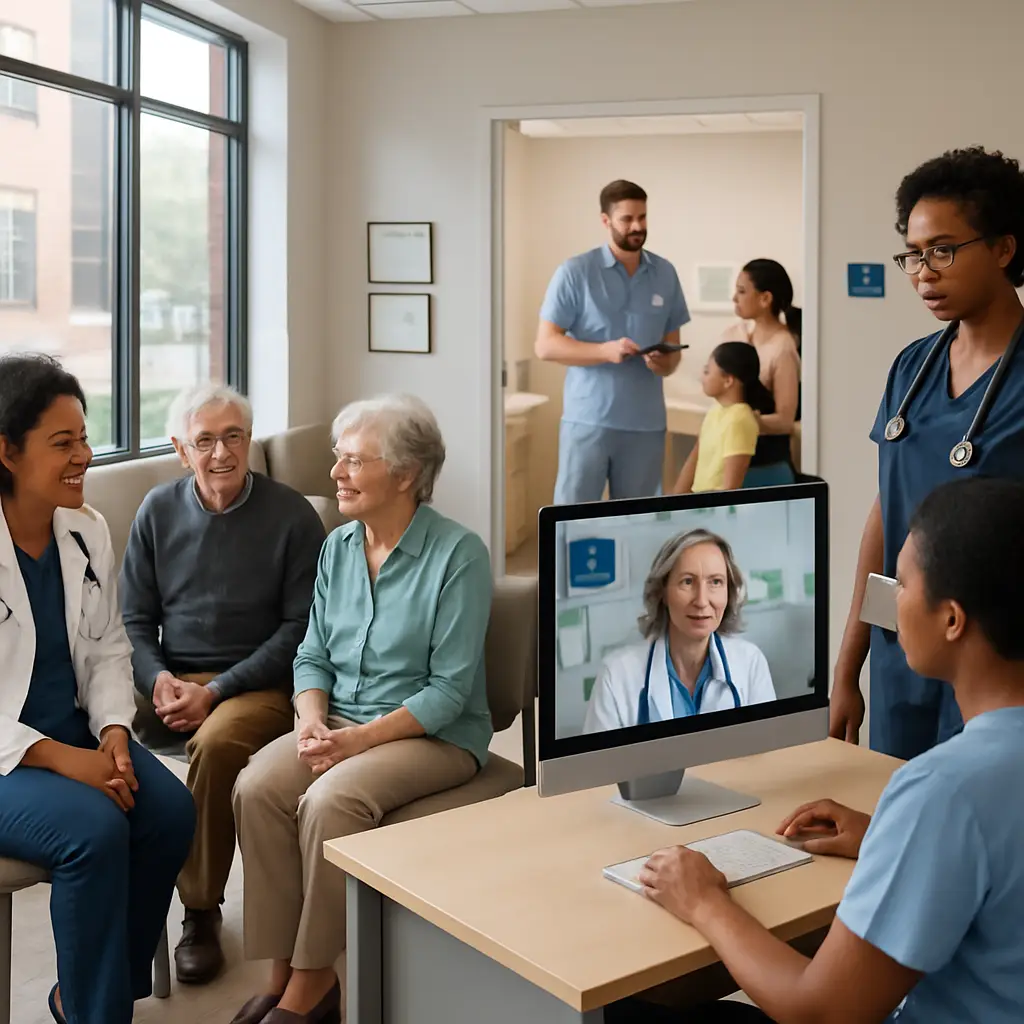
Telehealth solutions have become an integral part of modern healthcare, allowing patients to receive medical consultations remotely, thus overcoming geographical barriers. By upgrading IT infrastructure, healthcare facilities can support robust telehealth platforms that provide patients with easy access to medical professionals, regardless of their location.
Improved Facility Design
Infrastructure modernization also involves redesigning physical spaces to enhance accessibility. This includes ensuring compliance with ADA standards, implementing smart navigation systems for visually impaired individuals, and creating more comfortable waiting areas equipped with digital check-in kiosks.
Boosting Efficiency in Healthcare Operations
Modern infrastructure not only improves accessibility but also significantly boosts the efficiency of healthcare operations. Streamlined processes and the integration of advanced technologies facilitate better resource management and patient care.
Adopting Electronic Health Records (EHR)
Transitioning from paper-based records to electronic health records (EHR) is a key aspect of infrastructure modernization. EHR systems enable quick access to patient information, reduce administrative burdens, and improve the accuracy of medical records, thereby enhancing overall operational efficiency.
Smart Equipment and Automation
Investing in modern medical equipment and automation technologies can greatly improve efficiency. Automated systems for scheduling, patient monitoring, and diagnostic testing reduce the likelihood of human error and free up staff to focus on patient-centered care.
Ensuring Sustainable and Scalable Solutions
As healthcare demands continue to rise, it is essential that infrastructure modernization efforts are both sustainable and scalable. This involves investing in green technologies, such as energy-efficient lighting and HVAC systems, and modular designs that can expand as needed.
Energy Efficiency
Healthcare facilities can reduce their carbon footprint by implementing energy-efficient systems. This not only lowers operational costs but also aligns with global sustainability goals, ensuring that healthcare infrastructure can support future generations.
Scalable Designs
Scalable infrastructure allows healthcare facilities to adapt to changing needs without undergoing major overhauls. Modular designs and flexible layouts enable quick adjustments, accommodating new technologies and increasing patient capacity as required.
Conclusion
Infrastructure modernization is essential for enhancing accessibility and efficiency in healthcare facilities. By embracing modern technologies and sustainable practices, healthcare providers can offer better patient care, streamline operations, and prepare for future challenges. Investing in infrastructure today sets the groundwork for a more accessible and efficient healthcare system tomorrow.
Frequently Asked Questions
- Why is infrastructure modernization important in healthcare? Infrastructure modernization enhances accessibility and efficiency, allowing healthcare facilities to better meet patient needs and integrate advanced technologies.
- How does telehealth improve accessibility? Telehealth enables patients to access medical services remotely, overcoming geographical barriers and providing timely consultations.
- What role does EHR play in healthcare efficiency? EHR systems streamline patient information management, reducing administrative tasks and improving the accuracy of medical records.
- What are the benefits of energy-efficient systems in healthcare facilities? Energy-efficient systems reduce operational costs, lower carbon footprints, and align with sustainability goals, ensuring long-term viability.