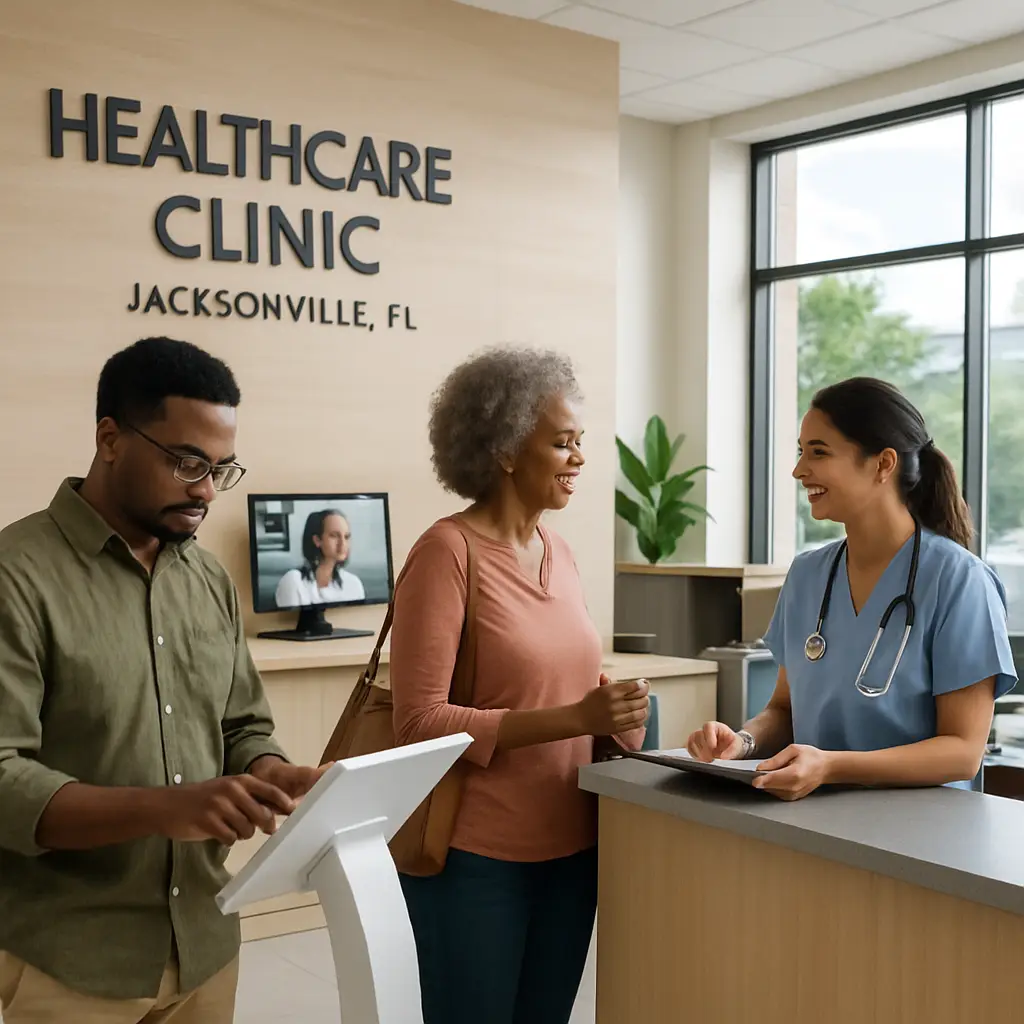
The Role of Modernizing Technology in Streamlining Healthcare Services for Improved Patient Access and Affordability
In today’s rapidly evolving healthcare landscape, technology plays a pivotal role in enhancing patient access and affordability. As healthcare providers strive to meet the growing demands of patients, modernizing technology has become essential for streamlining services and improving overall patient experiences. From telehealth solutions to advanced data management systems, technological advancements are reshaping the way healthcare is delivered, making it more accessible and cost-effective.
Enhanced Patient Access Through Telehealth
Telehealth has emerged as a game-changer in providing accessible healthcare services, especially for patients in remote or underserved areas. By leveraging video conferencing, remote monitoring, and digital communication tools, healthcare providers can offer consultations and follow-ups without the need for physical visits. This not only reduces travel time and costs for patients but also expands the reach of healthcare services to those who might otherwise face barriers to access.
Convenience and Flexibility
Telehealth offers unparalleled convenience and flexibility, allowing patients to schedule appointments outside of traditional office hours. This is particularly beneficial for working adults and individuals with busy schedules who may find it challenging to visit a healthcare facility during regular hours. By providing the option for virtual consultations, healthcare providers can accommodate more patients and reduce waiting times.
Improved Chronic Disease Management
For patients with chronic conditions, regular monitoring and timely interventions are crucial. Telehealth platforms enable continuous monitoring of vital signs and symptoms, allowing healthcare providers to track patient progress and adjust treatment plans as needed. This proactive approach can lead to better disease management and improved patient outcomes.
Cost-Effective Healthcare Solutions
Modernizing technology in healthcare is not only about improving access but also about reducing costs. By streamlining operations and improving efficiency, healthcare providers can offer more affordable services without compromising quality.
Automation and Efficiency
Automation of administrative tasks, such as appointment scheduling, billing, and patient record management, reduces the burden on healthcare staff and minimizes the risk of errors. This efficiency translates into cost savings for both providers and patients, as resources are optimized and operational expenses are lowered.
Data-Driven Decision Making
Advanced data management systems allow healthcare providers to analyze patient data more effectively, leading to informed decision-making and personalized care plans. By utilizing electronic health records (EHRs) and predictive analytics, providers can identify trends and intervene early, potentially avoiding costly complications and hospitalizations.
Future Prospects and Challenges
While modernizing technology presents numerous benefits, it also brings challenges that need to be addressed. Ensuring data security and patient privacy remains a top priority as healthcare systems become increasingly digital. Additionally, there is a need for ongoing training and support for healthcare professionals to effectively utilize new technologies.
Bridging the Digital Divide
To fully realize the potential of modernized healthcare technology, efforts must be made to bridge the digital divide. This includes providing access to reliable internet services and digital literacy programs for patients and healthcare providers alike. By ensuring everyone can effectively use these technologies, healthcare can become truly inclusive and equitable.
Continuous Innovation
The healthcare industry must remain committed to continuous innovation, adapting to new technologies and integrating them into practice. By fostering a culture of innovation and collaboration, healthcare providers can stay ahead of the curve and continue to improve patient access and affordability.
In conclusion, the modernization of healthcare technology is crucial for enhancing patient access and affordability. By embracing telehealth, automation, and data-driven solutions, healthcare providers can deliver more efficient, cost-effective, and patient-centered care. As the industry navigates the challenges and opportunities of technological advancements, the focus must remain on improving patient outcomes and ensuring that healthcare services are accessible to all.